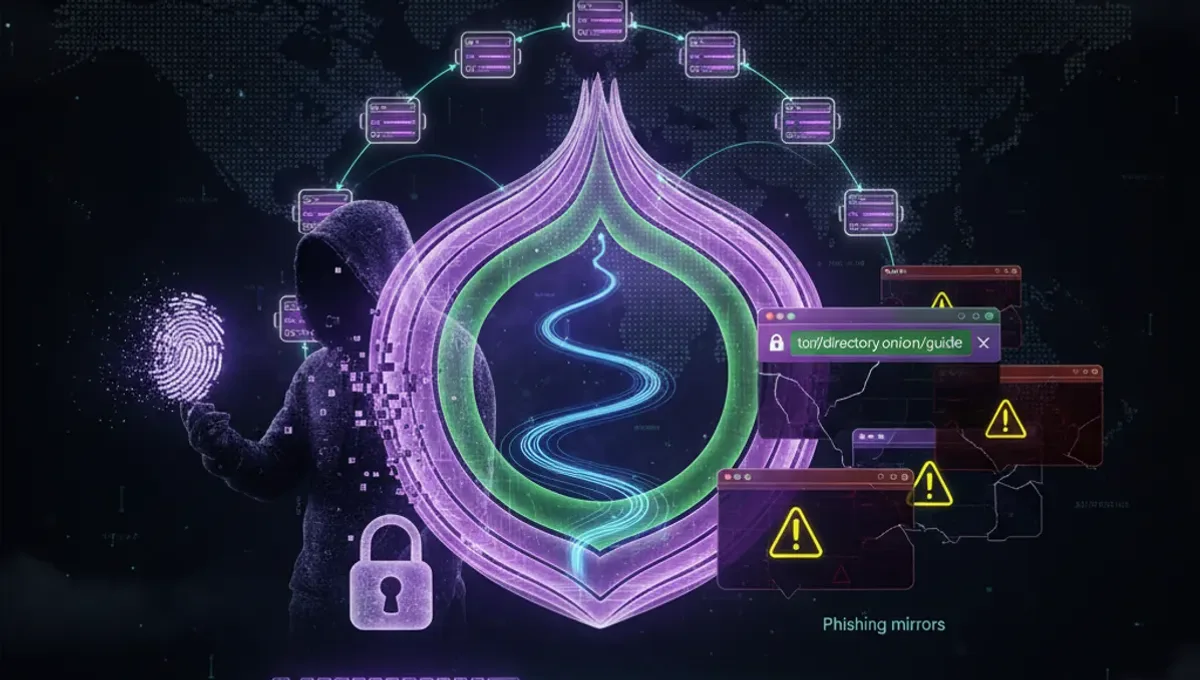
What Is the Black Web Onion Network
The black web onion refers to hidden services accessible through the Tor network using .onion addresses. These sites exist on what's commonly called the onion dark web or onion deep web. The onion web operates through multiple layers of encryption, making it difficult to trace user activity. Not all onion web sites are illegal or dangerous. Many serve legitimate purposes including privacy-focused communication, censorship circumvention, and secure information sharing. The onion dark web has become synonymous with anonymity, though the technology itself is neutral. Understanding the distinction between the onion web and surface web helps clarify what you're actually accessing when you connect to hidden services.
How to Access Onion Sites Safely
Accessing the onion dark web requires the Tor Browser, which routes your connection through multiple servers to obscure your identity. Download Tor Browser only from official sources to avoid compromised versions. Before accessing any onion web site, ensure your operating system is updated and consider using a dedicated virtual machine for additional security. Never maximize your browser window, as this can reveal your screen resolution to websites. Disable JavaScript in Tor Browser settings to prevent certain attacks. When visiting the onion deep web, assume that many sites may contain malware or phishing attempts. Use a VPN before connecting to Tor for an additional privacy layer, though this adds complexity. Always verify .onion addresses carefully, as typosquatting is common on the onion dark web.
Legitimate Uses of the Onion Web
The onion dark web serves important functions beyond illegal activities. Journalists use the onion web site infrastructure to receive anonymous tips from sources. Activists in oppressive regimes rely on the onion deep web to organize and share information safely. Privacy advocates maintain forums and communication platforms on the onion dark web. Libraries and educational institutions sometimes operate mirrors on the onion web to provide access in censored regions. Whistleblowers have used the onion web to expose corporate and governmental wrongdoing. Security researchers study the onion dark web to understand threats and vulnerabilities. Many legitimate organizations maintain onion web presences to serve users who require anonymity. Understanding these uses helps contextualize why the onion dark web exists and why some people depend on it for essential communication.
Navigating the Onion Dark Web Directory
Finding reliable onion web sites requires caution and verification. The Hidden Wiki and similar directories attempt to catalog onion dark web resources, though accuracy varies. Many listed sites disappear or move frequently. When exploring the onion deep web, cross-reference information across multiple sources before trusting any single directory. Reddit communities dedicated to the onion dark web sometimes share updated links, though these require skepticism. Search engines designed for the onion web like DuckDuckGo's onion mirror can help locate resources. Avoid clicking random links on the onion dark web, as many lead to honeypots or malicious sites. Legitimate onion web sites typically have consistent naming conventions and established communities. The onion dark web changes constantly, making any static directory quickly outdated.
Legal Considerations and Risks
Accessing the onion dark web itself is legal in most countries, but many activities conducted there are not. Simply visiting the onion web site does not indicate illegal intent. However, purchasing illegal goods, accessing stolen data, or engaging in fraud remains illegal regardless of the platform. Law enforcement agencies actively monitor the onion dark web for criminal activity. Many users have faced prosecution for activities conducted on the onion deep web despite believing they were anonymous. Malware is prevalent on the onion dark web, with many sites designed to steal cryptocurrency or personal information. Scams are extremely common, with users losing money to fake vendors and exit scams. Understanding that the onion dark web offers no legal protection for illegal activities is essential before accessing it.
Security Tools and Best Practices
Using Tor Browser alone provides insufficient protection for serious privacy needs. Consider using Tails, a live operating system designed for anonymity that routes all connections through Tor. Hardware wallets protect cryptocurrency if you're accessing the onion dark web for financial transactions. Password managers help maintain unique credentials across different onion web sites. Two-factor authentication adds security to accounts on the onion deep web, though many sites don't support it. Regular backups ensure you don't lose important data if your system is compromised. Disable plugins and extensions that could leak your identity while using the onion dark web. Keep detailed notes about which onion web sites you've visited and what you've accessed for your own security records. Never trust any site on the onion dark web completely, regardless of reputation.
Common Misconceptions About the Onion Web
Many people believe the onion dark web is entirely illegal, which oversimplifies reality. The onion deep web contains a mix of legitimate and illegal content, similar to the surface web. Not everyone on the onion dark web is a criminal or hacker. Many users are journalists, activists, and privacy-conscious individuals with legitimate reasons for anonymity. The onion web is not a single unified space but rather a collection of independent sites with varying purposes. Accessing the onion dark web doesn't automatically make you a target for law enforcement if you're not engaging in illegal activity. The onion dark web is not significantly more dangerous than the surface web if you exercise proper caution. Understanding these misconceptions helps users approach the onion web with realistic expectations and appropriate security measures.
Frequently asked questions
Is it illegal to access the black web onion network?
Accessing the onion dark web itself is legal in most countries. However, many activities conducted on the onion deep web are illegal. Simply visiting the onion web site does not constitute a crime, but purchasing illegal goods or services does. Law enforcement can and does prosecute users for illegal activities on the onion dark web.
What's the difference between the onion web and the dark web?
The onion dark web refers specifically to services accessed through Tor using .onion addresses. The dark web is a broader term encompassing all hidden networks. The onion web is the most well-known portion of the dark web. The onion deep web uses Tor's encryption to hide both user identity and server location, making it distinct from other dark web technologies.
How do I find reliable onion web sites?
Verify onion web sites through multiple independent sources before trusting them. The Hidden Wiki and similar directories catalog onion dark web resources, though accuracy varies. Reddit communities sometimes share updated links. Cross-reference any information you find. Avoid clicking random links on the onion dark web, as many lead to malicious sites or scams.
Can I be traced while using the onion dark web?
Tor provides strong anonymity, but it's not perfect. Law enforcement has successfully identified users on the onion dark web through various techniques. Malware can compromise your anonymity. Behavioral patterns and metadata can reveal identity. Using Tor doesn't guarantee complete anonymity, especially if you engage in identifying activities or visit sites that log information.
What should I do before accessing the onion web?
Download Tor Browser from official sources only. Update your operating system and security software. Consider using a virtual machine or Tails for additional security. Disable JavaScript in Tor Browser settings. Never maximize your browser window. Assume many onion web sites contain malware or phishing attempts. Verify .onion addresses carefully before visiting them.