What Is a Dark Net Wiki
A dark net wiki functions as a crowdsourced encyclopedia of hidden services, typically hosted on onion sites and accessible only through Tor. These wikis catalog dark net sites, explain how different services work, and provide community-contributed information about marketplace operations, forum structures, and communication protocols. Unlike surface web wikis, dark net wikis operate with minimal moderation and often contain unverified information. They serve researchers, journalists, and curious users seeking to understand the landscape of hidden services. The most established wikis have been maintained for years and contain historical information about defunct markets and services. Users should approach wiki entries with skepticism and cross-reference information from multiple sources before relying on any single entry.
Best Dark Net Sites Listed on Wikis
Dark net wikis typically categorize sites by function: marketplaces, forums, news outlets, and communication platforms. The best dark net sites documented on wikis include news services that report on privacy issues, forums dedicated to technical discussion, and libraries of academic papers. Many wikis maintain lists of verified onion addresses, though these change frequently as sites migrate or shut down. Wikis also document the history of major dark net sites, including their rise and eventual law enforcement takedowns. When reviewing wiki listings, distinguish between sites focused on legitimate privacy advocacy and those facilitating illegal transactions. The most useful wikis provide context about each site's purpose, community reputation, and known security issues rather than simply listing URLs.
Dark Net Search and Navigation Tools
Dark net search engines appear frequently in wiki directories as essential navigation tools. These search engines index onion sites similarly to how surface web search engines work, though with significantly smaller databases and less sophisticated algorithms. Popular dark net search tools are documented in wikis with instructions on how to use them effectively. Most dark net search engines operate from onion addresses and require Tor access. Wikis explain the differences between various search engines, their indexing methods, and their limitations. Some search engines focus on specific content categories while others attempt broad indexing. Understanding how these tools work helps users locate resources more efficiently than browsing wiki link lists manually. Search results often include outdated links to defunct sites, making verification necessary.
Dark Net Hacker Communities and Forums
Wikis document hacker forums and technical communities where security researchers, programmers, and cybersecurity professionals congregate. These forums discuss vulnerability research, software development, and security topics. Dark net hacker communities vary significantly in legitimacy and purpose. Some forums facilitate genuine security research and knowledge sharing, while others coordinate malicious activities. Wiki entries typically note a forum's reputation, moderation standards, and general focus areas. Established forums maintain strict membership requirements and verification processes. Wikis help distinguish between forums with genuine technical merit and those operating primarily for illegal purposes. Understanding the structure and culture of these communities requires reading multiple wiki entries and community discussions. Many forums have been documented in wikis for years, providing historical context about their evolution.
Dark Net URLs and Site Verification
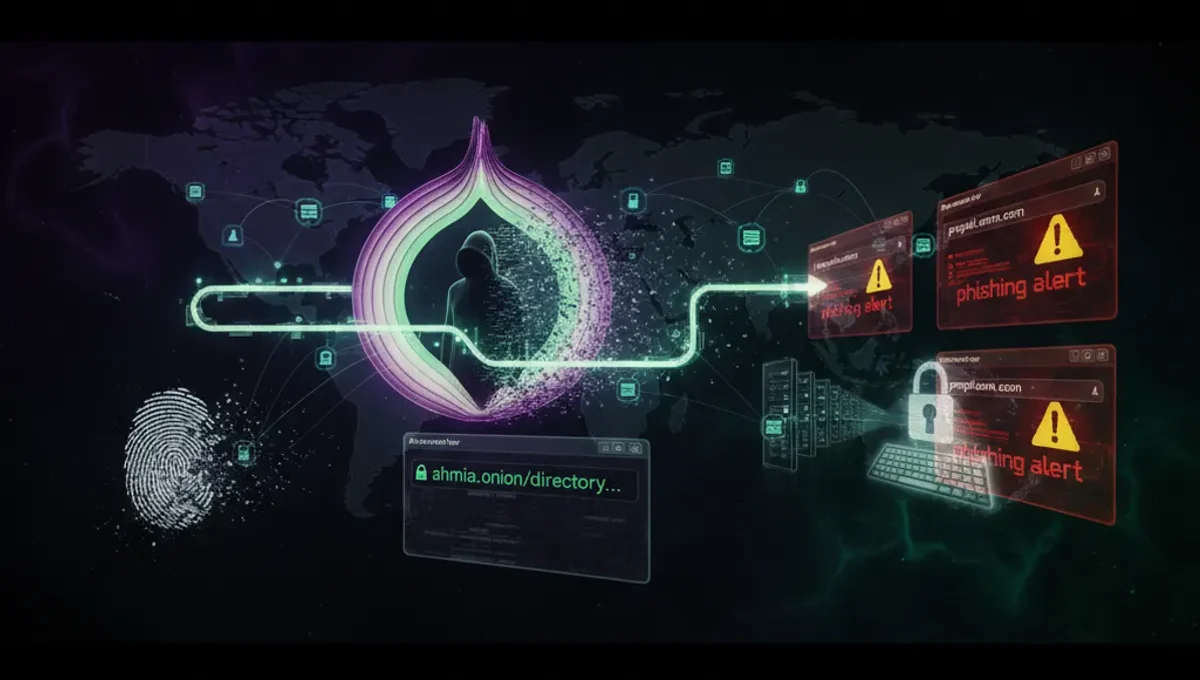
Wikis serve as critical resources for verifying dark net URLs since onion addresses are difficult to remember and frequently spoofed. Phishing sites mimicking legitimate services are common, making official URL verification essential for security. Wikis typically maintain lists of verified onion addresses with checksums or other verification methods. Users should always cross-reference URLs from multiple wiki sources before accessing a site. Many wikis include information about how to verify site authenticity through PGP signatures or other cryptographic methods. The most reliable wikis update their URL listings regularly and remove entries for defunct sites. Some wikis maintain historical records of URL changes when legitimate sites migrate to new addresses. This verification function makes wikis invaluable for avoiding phishing attacks and malware distribution sites.
Legal and Illegal Content Distinctions
Comprehensive dark net wikis document what activities and content are legal versus illegal in various jurisdictions. This educational function helps users understand the legal landscape without assuming all dark web activity is criminal. Wikis explain that accessing the dark web itself is legal in most countries, but certain activities conducted there are not. They distinguish between privacy-focused services, which are legal, and marketplaces facilitating illegal transactions, which are not. Wikis often include information about law enforcement operations and site takedowns, providing context about legal consequences. Understanding these distinctions requires reading wiki entries carefully and recognizing that legality varies by location. Wikis help users make informed decisions about what they access and participate in. This educational role represents one of the most valuable functions dark net wikis provide.
Using Wikis Safely and Responsibly
Accessing dark net wikis requires Tor browser and basic operational security practices. Users should disable JavaScript, use updated software, and avoid maximizing browser windows to prevent fingerprinting. Wikis themselves generally contain no malware, but links within them may lead to dangerous sites. Clicking links from wikis without verification exposes users to phishing, malware, and law enforcement honeypots. Responsible wiki use means reading entries thoroughly, cross-referencing information, and understanding context before following any links. Many wikis include security warnings about specific sites or categories. Users should recognize that wiki entries reflect community opinions and may contain misinformation. Taking time to understand a wiki's structure, moderation practices, and community standards improves your ability to extract useful information safely.
Frequently asked questions
Is accessing a dark net wiki legal?
Yes, accessing dark net wikis is legal in most countries. Wikis are informational resources similar to surface web encyclopedias. However, the legality of what you do with information from wikis depends on your jurisdiction and actions. Simply reading about dark net sites carries no legal risk.
How do I find a dark net wiki?
Dark net wikis are typically referenced in Tor forums and communities. The most established wikis have been documented for years and maintain consistent onion addresses. Always verify wiki URLs through multiple sources before accessing them to avoid phishing sites. Never rely on a single source for a wiki's address.
Can I trust information on dark net wikis?
Dark net wikis vary in reliability. Established wikis with active moderation tend to be more accurate than newer or abandoned ones. Cross-reference important information across multiple sources. Wiki entries reflect community knowledge but may contain outdated or incorrect information. Treat wikis as starting points for research rather than definitive sources.
What should I avoid clicking on dark net wikis?
Avoid clicking links to marketplaces, especially those facilitating illegal transactions. Be cautious with links to forums you haven't verified independently. Many wiki links lead to defunct sites or honeypots set up by law enforcement. Read the entire entry before clicking any link to understand what you're accessing.
Do dark net wikis get updated regularly?
Established wikis receive regular updates from community members, but update frequency varies. Some entries become outdated as sites migrate or shut down. The most reliable wikis have active communities that flag dead links and update information. Check the last modification date on entries before relying on them.