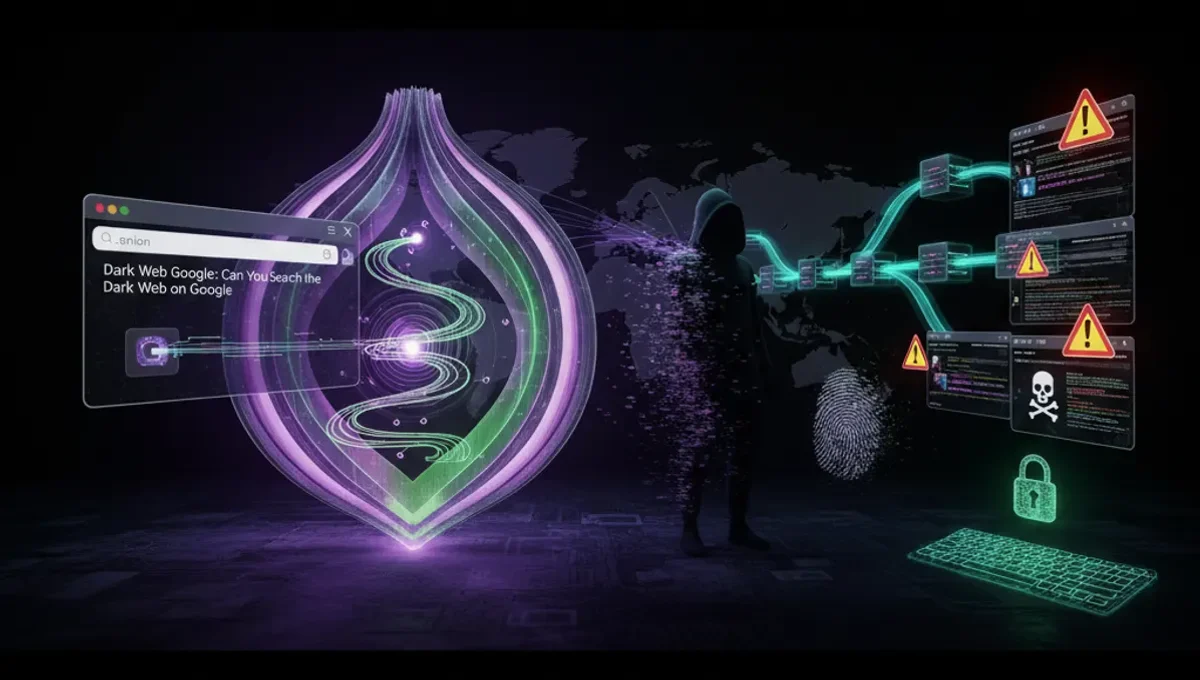
Why Google Can't Search the Dark Web
Google's crawlers operate on the surface web, following standard HTTP protocols and DNS lookups. The dark web uses Tor's onion routing, which anonymizes traffic and hides server locations. These two systems are fundamentally incompatible. Onion addresses end in .onion rather than .com or .org, and they're not indexed by any conventional search engine. Google has no way to discover, crawl, or catalog these hidden sites. Even if it could, doing so would defeat the privacy purpose of the dark web. The architecture of Tor specifically prevents external indexing, making dark web Google searches technically impossible.
Best Dark Web Browser for Finding Sites
Tor Browser is the standard tool for accessing the dark web safely. It routes your connection through multiple relays, masking your IP address and location. Download it from the official Tor Project website only, never from third-party sources. Once installed, Tor Browser works like Firefox but connects you to the onion network. It's free and open-source, meaning security researchers constantly audit the code. Other browsers claim to access the dark web, but Tor Browser remains the most reliable and secure option. It's essential to keep it updated and disable plugins that could leak your real IP address.
Dark Web Search Engines and Directories
Since Google can't index the dark web, specialized search engines exist within Tor. These engines crawl onion sites and return results relevant to dark web queries. They work similarly to Google but operate entirely on the Tor network. Some are more reliable than others, and many contain outdated or broken links. Directories and wikis also catalog active sites by category. These resources are maintained by community members and updated irregularly. When using any dark web search tool, expect slower results and less comprehensive coverage than surface web searches. Many sites disappear or move frequently, making current information difficult to maintain.
Top Dark Web Sites Worth Knowing About
The dark web hosts legitimate communities alongside illegal marketplaces. News outlets maintain mirror sites for readers in censored countries. Privacy-focused forums discuss security and anonymity. Libraries archive books and academic papers. Whistleblowing platforms accept anonymous submissions. Some sites provide information on cryptocurrency, technology, and digital privacy. Others host discussion boards on niche topics. The best dark web sites tend to be those with active moderation and clear purposes. Many popular sites from years past have disappeared or become honeypots. Verifying site legitimacy requires checking community recommendations and looking for consistent operation over time.
Legal vs. Illegal Dark Web Content
The dark web itself is legal to access in most countries. Using Tor Browser and exploring onion sites breaks no laws. However, specific activities are illegal everywhere: buying drugs, weapons, or stolen data; accessing child exploitation material; hiring criminals; or distributing malware. Many dark web users engage in perfectly legal activities like journalism, activism, and privacy research. The distinction matters legally and ethically. Simply visiting a dark web site isn't a crime. Purchasing illegal goods or services is. Law enforcement agencies monitor dark web marketplaces and have successfully prosecuted users. Understanding this boundary helps you avoid serious legal consequences while respecting the legitimate privacy uses of Tor.
How to Stay Safe on the Dark Web
Safety requires multiple precautions. Use Tor Browser exclusively for dark web access, never mix it with regular browsing. Keep your operating system and software updated. Disable JavaScript in Tor Browser settings to prevent exploit attacks. Never maximize your browser window, as this reveals screen resolution data that could identify you. Don't download files unless absolutely necessary, and scan them with antivirus software. Assume every site could be a scam or honeypot. Never enable plugins or extensions. Use a dedicated device or virtual machine if possible. Never share personal information, even anonymously. Assume law enforcement monitors major marketplaces. These practices significantly reduce your risk of malware, scams, or legal trouble.
Finding Reliable Dark Web Resources
Reddit communities dedicated to the dark web share current information about active sites and scams. These forums discuss which resources are trustworthy and which have been compromised. Hidden Wiki maintains a directory of onion sites organized by category. Community moderators update it regularly, though some links inevitably become outdated. News articles about the dark web sometimes mention specific sites worth investigating. Academic research on Tor provides context about the network's legitimate uses. Verification requires cross-referencing multiple sources. No single directory is completely reliable. Combining information from several trusted sources gives you the best picture of what's currently active and safe to visit.
Frequently asked questions
Can I use Google to search the dark web?
No. Google only indexes the surface web and cannot access Tor's onion network. Dark web sites are invisible to Google's crawlers. You need specialized tools like Tor Browser and dark web search engines to find onion sites. Standard search engines simply don't have the capability to reach hidden networks.
What is the best dark web browser?
Tor Browser is the most reliable and secure option. It's free, open-source, and specifically designed for accessing the dark web safely. Download it only from the official Tor Project website. Other browsers claiming dark web access are often unreliable or potentially dangerous. Tor Browser remains the standard choice for privacy-conscious users.
Is accessing the dark web illegal?
Accessing the dark web itself is legal in most countries. Using Tor Browser and visiting onion sites breaks no laws. However, specific activities like buying illegal goods, accessing exploitative content, or distributing malware are serious crimes. The distinction between accessing and engaging in illegal activity is legally significant.
How do I find active dark web sites?
Use dark web search engines, directories, and community forums. Reddit communities share current information about working sites. Hidden Wiki maintains a categorized directory. Search engines within Tor return onion site results. Cross-reference multiple sources since links frequently become outdated. Community recommendations are generally more reliable than random searches.
What should I avoid on the dark web?
Avoid downloading files unless essential. Don't maximize your browser window or enable plugins. Never share personal information. Assume every site could be a scam or law enforcement operation. Don't enable JavaScript. Avoid marketplaces selling illegal goods. Use a dedicated device or virtual machine if possible. These precautions significantly reduce risks of malware, scams, and legal trouble.