Understanding Dark Web Sites vs. Surface Web
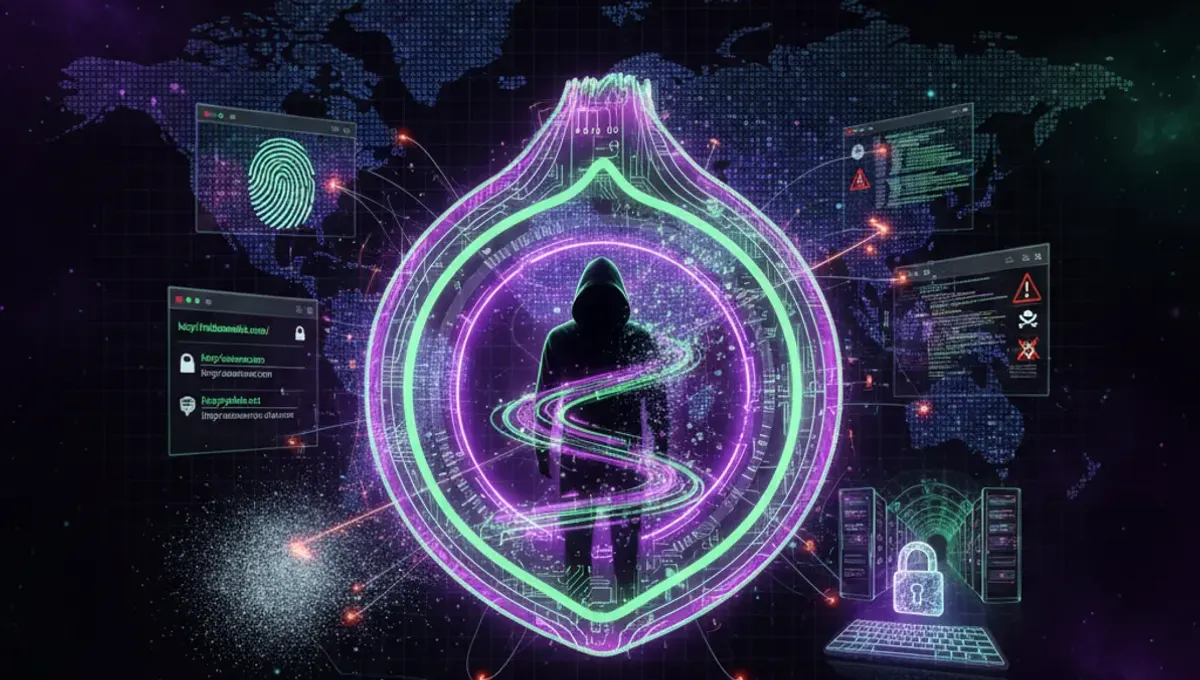
A site for dark web operates fundamentally differently from standard websites. These sites use .onion domain extensions and route traffic through multiple Tor relays, making them accessible only through the Tor browser. The anonymity layer means site operators can host content without traditional hosting providers, but it also attracts both legitimate privacy advocates and bad actors. Distinguishing between the two requires checking community forums, verifying address consistency, and understanding that many supposed dark web sites are actually honeypots or phishing attempts designed to steal credentials.
Best Dark Web Site Categories
Legitimate sites for dark web include privacy-focused email services, encrypted messaging platforms, and information repositories. The Hidden Wiki functions as a directory linking to established communities and resources. News organizations maintain onion mirrors for journalists in restrictive countries. Discussion forums focused on technology, privacy, and security operate continuously. Marketplace sites vary in legitimacy and legality depending on what's being traded. Before accessing any site, verify the address through multiple independent sources and understand that many popular sites from years past no longer operate or have been replaced by scams.
How to Verify a Legitimate Dark Web Site
Verification starts with checking if multiple trusted sources reference the same onion address. Legitimate sites often publish their addresses on clearnet mirrors or official social media accounts. Look for consistent branding, professional design, and active moderation. Many established communities use PGP signatures to verify announcements. Check if the site has been referenced in security research or privacy guides from reputable organizations. Be skeptical of sites claiming to be the 'official' version of something without cryptographic proof. Scammers frequently register similar-looking addresses using character substitution, so comparing addresses character-by-character matters.
Legal Considerations for Dark Web Site Access
Accessing a site for dark web itself is legal in most countries, including the United States and European nations. Using Tor and visiting onion sites doesn't violate laws. However, the content you access determines legality. Viewing illegal marketplaces, purchasing contraband, or downloading copyrighted material remains illegal regardless of the medium. Many jurisdictions have increased surveillance of dark web activity, and law enforcement has successfully prosecuted users who engaged in illegal transactions. Simply being on dark web sites doesn't provide immunity from prosecution. Understanding local laws about what content is prohibited in your jurisdiction is essential before browsing.
Common Dark Web Site Scams and Red Flags
Scammers create fake versions of popular sites to steal cryptocurrency or personal information. Red flags include sites requesting upfront payments for access, promises of guaranteed anonymity, or claims of exclusive illegal services. Many dark web adult sites and gore sites are either honeypots or malware distributors. Legitimate sites rarely ask for payment just to browse. Phishing attempts often mimic banking or marketplace interfaces. If a site's design looks hastily made or contains obvious spelling errors, assume it's malicious. Never download files from untrusted sources, and use virtual machines or dedicated devices when accessing questionable content.
Safe Browsing Practices on Dark Web Sites
Security starts with keeping your Tor browser updated and disabling JavaScript in browser settings. Never maximize your browser window, as this reveals screen resolution data that could identify you. Use a VPN before connecting to Tor for additional privacy layers, though this is debated among security experts. Assume every site could be compromised or monitored. Don't enable plugins or extensions. Cover your webcam. Use separate usernames across different sites and never reuse passwords from the surface web. Disable images in Tor browser to reduce attack surface. Keep your operating system patched and consider using a dedicated Linux distribution designed for privacy.
Finding Reliable Dark Web Site Directories
The Hidden Wiki serves as the primary directory for onion sites, though it's frequently vandalized with scam links. Reddit communities dedicated to dark web discussion maintain curated lists of verified sites, though these communities themselves face scrutiny. Some privacy organizations publish lists of legitimate onion mirrors for their services. Independent security researchers occasionally document active and legitimate sites. These directories are never completely reliable, as sites appear and disappear constantly. Cross-reference multiple sources before trusting any address. Many experienced users maintain personal lists based on years of observation rather than relying on single directories.
Frequently asked questions
Is it illegal to access sites for dark web?
Accessing dark web sites through Tor is legal in most countries. However, the content you view determines legality. Visiting marketplaces or downloading illegal material remains illegal regardless of the medium. Law enforcement monitors dark web activity, and users engaging in illegal transactions face prosecution.
How do I find legitimate dark web sites?
Verify addresses through multiple independent sources before accessing any site. Check if established communities reference the same onion address. Look for PGP signatures verifying announcements. Be skeptical of sites without consistent branding or professional design. Many scammers create fake versions of popular sites to steal information or cryptocurrency.
What protection do I need before visiting dark web sites?
Keep Tor browser updated and disable JavaScript. Use a VPN before connecting to Tor for additional privacy. Never maximize your browser window. Disable images and plugins. Use separate usernames across different sites. Consider using a dedicated Linux distribution designed for privacy and security.
Are dark web marketplaces safe to use?
Most dark web marketplaces carry significant risk. Many are scams designed to steal cryptocurrency or personal information. Law enforcement has successfully infiltrated and shut down major marketplaces. Even legitimate-appearing sites may be honeypots. Assume any transaction carries legal and financial risk.
What's the difference between dark web and deep web sites?
Deep web refers to any internet content not indexed by search engines, including password-protected email and medical records. Dark web is a small portion of the deep web intentionally hidden and requiring specific software like Tor. Most deep web content is mundane and legal, while dark web attracts both privacy advocates and illegal operators.