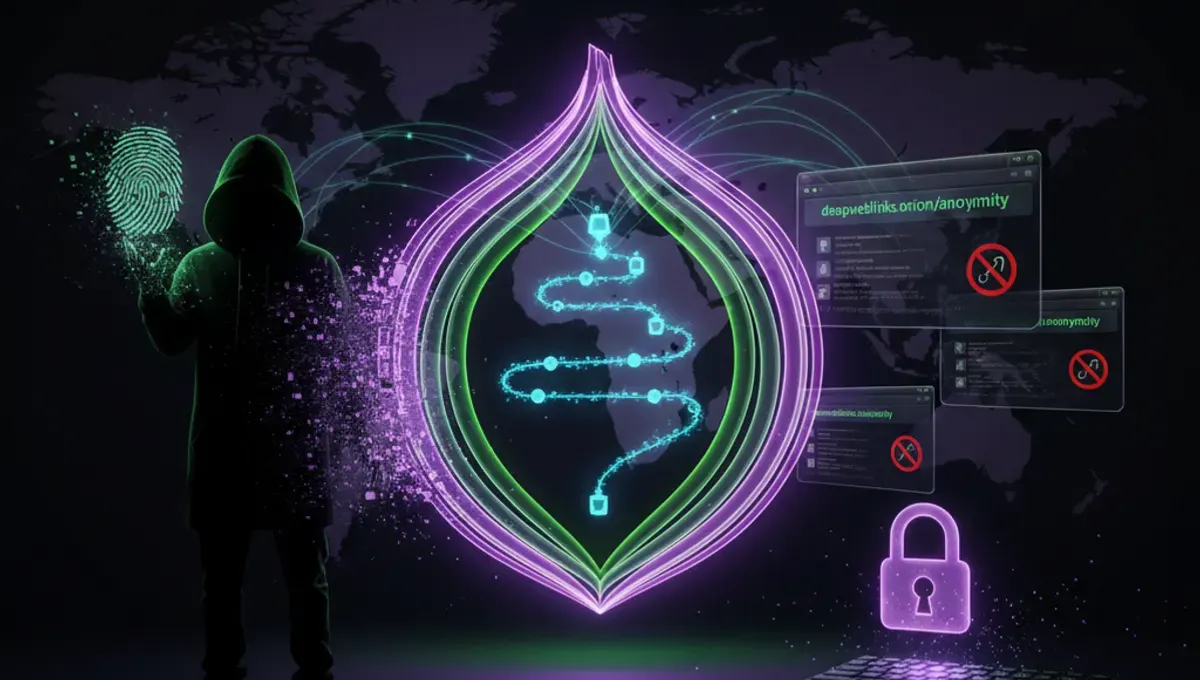
How Dark Web Servers Differ from Regular Servers
Standard web servers connect directly to the internet with identifiable IP addresses. Dark web servers use Tor's hidden service protocol, creating multiple layers of encryption and routing through volunteer-operated relays. When you access a dark web server, your connection bounces through at least three Tor nodes before reaching the destination. The server itself never reveals its true location or hosting provider. This architecture makes dark web servers inherently slower than conventional servers, but provides anonymity for both operators and users. The best dark web sites leverage this infrastructure to maintain operations despite legal pressure. Server administrators can relocate their infrastructure without changing the onion address, a critical advantage for maintaining service continuity.
Onion Address Structure and Server Identification
Dark web servers are accessed through onion addresses, which appear as random 16 or 56-character strings followed by .onion. These addresses are cryptographically generated from the server's public key, making them impossible to forge or redirect. The address itself serves as both the location and verification mechanism. When you connect to a dark web server, Tor automatically verifies that the server's private key matches the public key embedded in the onion address. This prevents man-in-the-middle attacks that plague traditional DNS systems. The best dark web website operators maintain consistent onion addresses to build user trust. Some sites publish their addresses across multiple platforms to help users verify they're accessing the legitimate server. This verification process is why bookmarking correct onion addresses matters more than remembering domain names.
Server Performance and Connection Reliability
Dark web server performance depends on several factors including the number of Tor relays in use, server hardware capacity, and network congestion. Most dark web sites experience slower load times than surface web equivalents due to encryption overhead and routing complexity. The best dark web browser users understand that connection delays reflect infrastructure limitations rather than poor server quality. Server administrators can optimize performance by selecting reliable Tor relay nodes and implementing efficient code. Some top dark web platforms maintain multiple server instances across different Tor entry points to distribute traffic. Connection reliability also depends on whether the server maintains consistent uptime. Servers that frequently go offline often indicate amateur operations or those under active law enforcement investigation. Experienced users monitor server status through community forums and Reddit discussions before accessing unfamiliar sites.
Security Protocols on Dark Web Servers
Dark web servers implement multiple security layers beyond basic Tor encryption. Most use HTTPS protocols on top of Tor's existing encryption, creating dual-layer protection. This prevents even Tor exit node operators from viewing unencrypted traffic. The best dark web site operators implement additional security measures including rate limiting to prevent automated attacks, CAPTCHA systems to block bots, and regular security audits. Some servers use JavaScript disabling by default to prevent browser-based exploits. Advanced dark web servers implement onion-only security protocols that don't rely on traditional certificate authorities. These custom protocols verify server authenticity through the onion address itself rather than external validation. Server administrators must balance security with usability, as excessive restrictions frustrate legitimate users. The most reliable dark web servers maintain transparent security policies that users can verify independently.
Server Hosting and Infrastructure Providers
Dark web servers cannot use conventional hosting providers like AWS or traditional data centers. Instead, operators typically run servers on personal hardware, rented VPS services that accept Tor traffic, or decentralized hosting networks. Some top dark web sites operate from multiple jurisdictions simultaneously to prevent single points of failure. Operators must carefully select hosting providers that won't terminate service under pressure. Many dark web server administrators use cryptocurrency payments to maintain anonymity with their hosting providers. The infrastructure supporting dark web servers is inherently fragile compared to mainstream internet hosting. Server downtime occurs frequently due to hardware failures, network issues, or deliberate shutdowns. Understanding these infrastructure limitations helps users appreciate why the best dark web sites implement redundancy and backup systems. Some platforms maintain mirror sites on alternative networks as failover options.
Legal and Operational Considerations for Dark Web Servers
Operating a dark web server carries significant legal risks depending on content and jurisdiction. Servers hosting illegal marketplaces face active law enforcement investigation and potential seizure. Even servers hosting legal content may face pressure from ISPs or hosting providers if their true nature becomes known. The best dark web sites operate with clear terms of service and content policies that comply with international law. Some server operators implement geographic restrictions or content filtering to avoid hosting illegal material. Understanding these legal pressures explains why dark web server infrastructure remains decentralized and distributed. Operators must weigh anonymity benefits against operational complexity and security risks. The most sustainable dark web servers balance accessibility with legal compliance, avoiding content that attracts direct law enforcement attention. Server operators often participate in community discussions to maintain legitimacy and user trust.
Monitoring and Maintaining Dark Web Server Uptime
Dark web server administrators use specialized monitoring tools to track uptime and performance metrics. Unlike conventional servers with public status pages, dark web sites typically announce outages through community channels or mirror sites. The best dark web browser users check multiple information sources before assuming a server is permanently offline. Server maintenance requires careful planning since taking a server offline for updates means temporary service interruption. Some operators implement scheduled maintenance windows announced in advance through community forums. Monitoring tools must work within Tor's constraints, often using custom scripts rather than commercial services. Server administrators track connection patterns to identify potential attacks or unusual activity. Maintaining consistent uptime requires redundant systems, backup power supplies, and network failover mechanisms. The most reliable dark web sites publish transparency reports about their infrastructure and security practices.
Frequently asked questions
What makes a dark web server different from a regular web server?
Dark web servers use Tor's hidden service protocol to mask their location and operator identity. They route connections through multiple encrypted relays rather than connecting directly to the internet. This provides anonymity but results in slower performance. The server's onion address is cryptographically generated from its public key, preventing DNS manipulation or address spoofing.
How do onion addresses work as server identifiers?
Onion addresses are 16 or 56-character strings generated from a server's public key. When you connect, Tor verifies the server's private key matches the public key in the address. This cryptographic verification prevents man-in-the-middle attacks and ensures you're accessing the intended server. The address remains constant even if the server's physical location changes.
Why are dark web servers slower than regular servers?
Dark web servers must encrypt all traffic and route it through multiple Tor relays, adding latency and processing overhead. Each connection bounces through at least three volunteer-operated nodes before reaching the destination. This encryption and routing complexity is necessary for anonymity but inherently reduces speed compared to direct internet connections.
Can dark web servers use conventional hosting providers?
Most conventional hosting providers prohibit Tor traffic and hidden services. Dark web server operators typically use personal hardware, specialized VPS providers that accept Tor traffic, or decentralized hosting networks. Some use cryptocurrency payments to maintain anonymity with their hosting providers. This limits infrastructure options and makes dark web servers more fragile than mainstream hosting.
How do dark web server operators maintain uptime?
Operators use specialized monitoring tools and often maintain multiple server instances across different locations. They implement redundant systems, backup power, and network failover mechanisms. Unlike conventional servers, dark web sites announce outages through community channels rather than public status pages. The most reliable sites publish transparency reports about their infrastructure and security practices.