How .Onion Names Are Generated
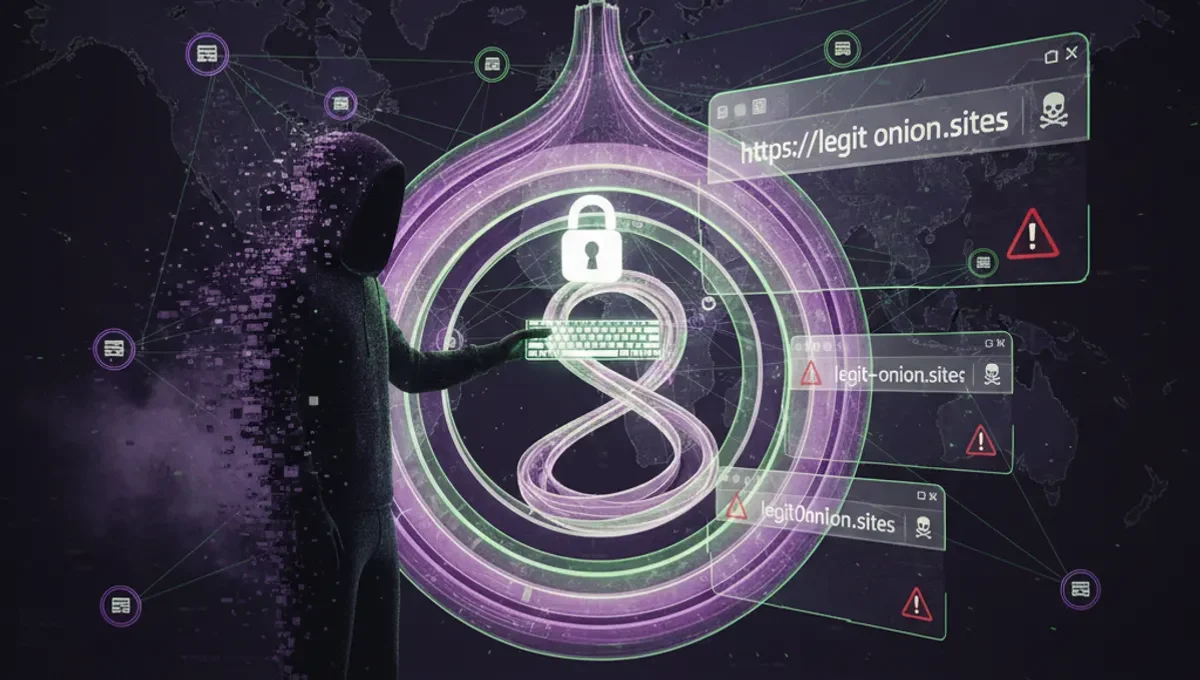
Onion addresses are created through Tor's hidden service descriptor protocol. When someone establishes a hidden service, Tor generates a unique public key and converts it into a 16-character (v2) or 56-character (v3) alphanumeric string followed by .onion. This process is deterministic but computationally intensive, making it impractical to predict or forge addresses. The address itself contains no human-readable information about the site's purpose or location. V3 addresses, introduced in 2019, offer improved security and are now the standard for new sites. The seemingly random nature of these names means you cannot determine a site's legitimacy from the address alone.
Identifying Legitimate Dark Web Website Names
Legitimate dark web sites often use vanity addresses or maintain consistent naming across multiple platforms. Some established communities publish official .onion addresses on their surface web sites or through verified social media accounts. Cross-referencing multiple sources reduces the risk of accessing counterfeit sites. Many reputable dark web resources maintain updated lists of current addresses since sites occasionally change their .onion URLs for security reasons. Reddit communities dedicated to dark web discussion frequently share verified addresses with community consensus. However, no address is permanently trustworthy; always verify current information before accessing any site, especially those involving financial transactions or sensitive information.
Common Dark Web Website Name Patterns
While .onion addresses appear random, certain patterns emerge among popular sites. Some communities use thematic naming conventions or maintain recognizable prefixes. News outlets operating on the dark web often use abbreviated versions of their organization names. Marketplace sites typically use descriptive terms related to their function. Discussion forums and wikis frequently incorporate words suggesting community or knowledge sharing. These patterns help users remember addresses and identify sites within specific categories. However, scammers exploit this by creating similar-looking addresses that differ by only one or two characters. This technique, called typosquatting, remains one of the most effective phishing methods on the dark web. Always copy and paste addresses rather than typing them manually to avoid these traps.
Best Practices for Accessing Dark Web Sites by Name
Maintain a personal list of verified .onion addresses from trusted sources rather than relying on memory or random searches. Use the Tor Browser's built-in bookmark feature to save confirmed addresses. Before visiting any site, verify the address matches your saved version character-by-character. Enable Tor Browser's security settings to their highest level when accessing unfamiliar sites. Consider using separate Tor Browser profiles for different activities to compartmentalize your browsing. Never access dark web sites through VPNs combined with Tor, as this can compromise anonymity. Keep your Tor Browser updated to the latest version, as security patches address vulnerabilities that could expose your identity. Document which sites you've verified as legitimate to build your personal knowledge base over time.
Verifying Site Authenticity Through Multiple Channels
Legitimate dark web sites often publish their .onion addresses through multiple verification channels. Check the surface web versions of organizations to find official dark web mirrors. Look for cryptographic signatures or PGP keys associated with site operators. Many established communities maintain FAQ pages or documentation explaining how to verify their official addresses. Some sites display security certificates or other authentication mechanisms within the Tor Browser. Compare information across multiple independent sources before trusting any single reference. Be skeptical of sites claiming to be the only source of truth about dark web addresses. Scammers frequently create fake verification pages designed to look official. The most reliable verification comes from comparing information across at least three separate sources that have no obvious connection to each other.
Understanding V2 vs V3 .Onion Addresses
Version 2 .onion addresses consist of 16 characters and were the standard until 2019. These addresses use RSA-1024 encryption, which security researchers determined was becoming vulnerable to potential attacks. Version 3 addresses contain 56 characters and use modern elliptic curve cryptography, providing significantly stronger security. Most established sites have migrated to V3 addresses, though some legacy services still operate on V2. When accessing a site you haven't visited recently, check whether it has published a new V3 address. Some operators maintain both addresses temporarily during transitions. V3 addresses are more resistant to enumeration attacks where adversaries attempt to discover hidden services by generating random addresses. If you encounter only V2 addresses for a site that should be current, this may indicate the address is outdated or the site is no longer actively maintained.
Avoiding Phishing and Counterfeit Dark Web Sites
Phishing remains the primary threat when accessing dark web sites by name. Attackers create addresses differing by single characters from legitimate sites, exploiting typing errors or inattention. Always use copy-paste functionality rather than manual entry. Legitimate sites rarely change their addresses without advance notice through multiple channels. If a previously accessible site suddenly becomes unavailable, do not immediately trust a new address claiming to be the replacement. Contact site operators through verified communication channels to confirm any address changes. Be particularly cautious with marketplace sites, as counterfeit versions designed to steal cryptocurrency are common. Look for security indicators like HTTPS certificates or site-specific security features that legitimate operators implement. Report suspected phishing sites to the Tor Project and relevant communities to protect other users.
Frequently asked questions
Why do dark web sites use .onion instead of regular domain names?
.Onion addresses are generated through Tor's hidden service protocol, which provides both anonymity and encryption for site operators. These addresses are cryptographically derived from the site's public key, making them impossible to forge or predict. Regular domain names require registration through ICANN-accredited registrars, which would expose operator identity. The .onion system allows sites to operate without revealing their physical location or real-world identity.
Can I search for dark web sites by name using search engines?
Dark web search engines index .onion sites, but results are often incomplete or outdated. Many legitimate sites deliberately avoid indexing to reduce exposure to law enforcement and malicious actors. Search results frequently include counterfeit sites designed to phish users. Manual verification through community recommendations and official sources is more reliable than relying on search engine results for identifying legitimate dark web sites.
What should I do if a dark web site's address changes?
Verify any address change through multiple independent sources before accessing the new site. Contact site operators through verified communication channels to confirm the migration. Be suspicious if a site changes addresses without advance notice or explanation. Scammers frequently use address changes as pretexts to redirect users to phishing sites. Wait for official announcements across multiple platforms before trusting a new address.
How can I tell if a .onion address is real or fake?
Compare the address character-by-character against verified sources. Legitimate sites maintain consistent addresses across multiple platforms. Check for official announcements about any changes. Use copy-paste rather than manual typing to avoid typos. Verify through at least three independent sources before trusting an address. Be cautious of sites that appear suddenly or lack community verification history.
Are V3 .onion addresses more secure than V2 addresses?
Yes, V3 addresses use modern elliptic curve cryptography compared to V2's older RSA-1024 encryption. V3 provides stronger resistance to enumeration attacks and computational threats. Most active sites have migrated to V3, and new sites exclusively use V3 addresses. If you encounter only V2 addresses for a site, it may be outdated or abandoned. V3 adoption represents a significant security improvement across the dark web infrastructure.