What Are Dark Web Access Links
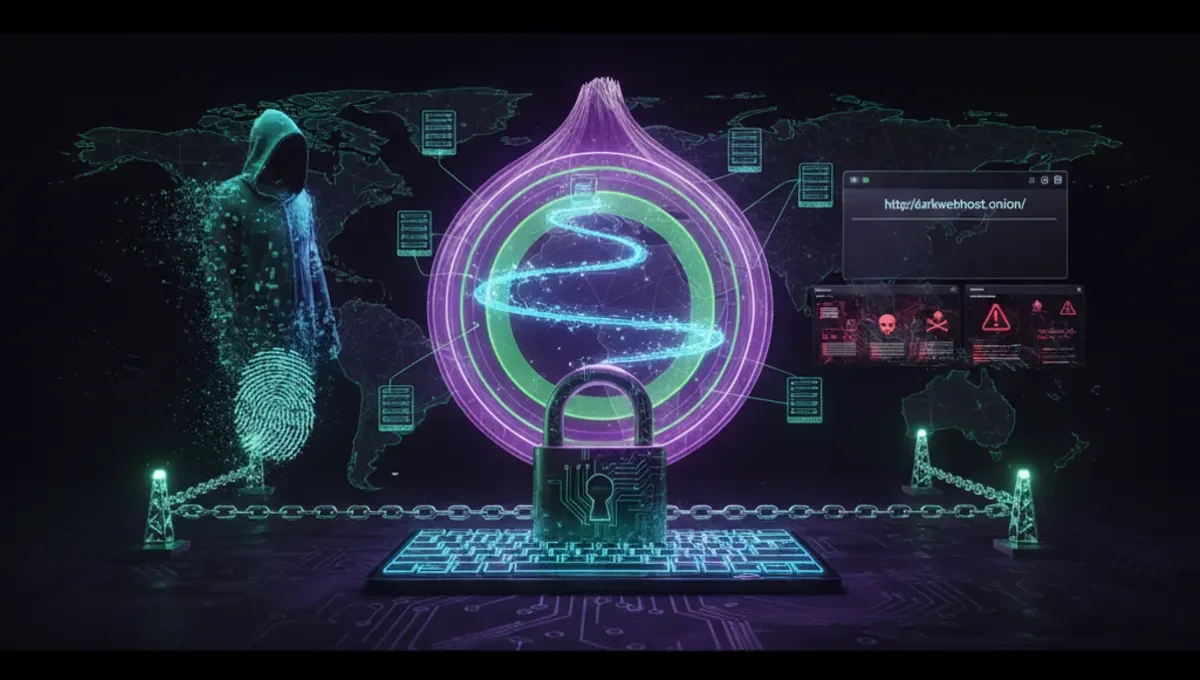
Dark web access links are .onion addresses that route traffic through the Tor network, encrypting your connection across multiple relays. Unlike standard URLs, these addresses are generated algorithmically and appear as random character strings. Each link represents a specific hidden service hosted on distributed servers. These links don't appear in search engines and require Tor Browser to access. Understanding the structure of .onion addresses helps you identify legitimate links from scams. The addresses typically end in .onion and may be 16 or 56 characters long depending on their generation method.
How to Access Dark Web Links Safely
Safe dark web access begins with Tor Browser, the official tool maintained by the Tor Project. Download it only from the official website to avoid compromised versions. Install it on a dedicated device or virtual machine if possible. Enable all security settings and keep JavaScript disabled. Never maximize your browser window, as this reveals your screen resolution to websites. When accessing dark web access links, verify addresses through multiple sources before clicking. Use a VPN before connecting to Tor for additional anonymity, though this adds complexity. Never download files unless absolutely necessary, and scan them with antivirus software before opening.
Finding Verified Dark Web Access Sites
Verified dark web access sites operate as directories and search engines for onion content. These platforms maintain lists of active links and remove dead addresses regularly. Some sites include user ratings and verification badges for reliability. Reddit communities dedicated to dark web topics often share current working links and warn about honeypots. Hidden Wiki mirrors provide categorized collections of links across different topics. When evaluating sources, check how recently links were updated and whether the site has community moderation. Cross-reference links across multiple directories before visiting unfamiliar sites. Avoid sites that promise unrealistic services or request personal information.
Dark Web Access Browser Requirements
Tor Browser is the primary dark web access browser, built on Firefox with privacy enhancements. It automatically routes traffic through multiple Tor relays and handles .onion address resolution. The browser blocks plugins and extensions that could compromise anonymity. JavaScript is disabled by default to prevent fingerprinting attacks. Whonix, a Linux distribution designed for anonymity, provides an additional layer by routing all traffic through Tor. Tails is a live operating system that leaves no digital footprint when shut down. These tools work together to create a secure dark web access environment. Regular updates are critical, as security patches address emerging vulnerabilities.
Legal Dark Web Access and Content
Legal dark web access links include privacy-focused email services, whistleblower platforms, and uncensored news sites. Libraries and archives preserve information that governments or corporations attempt to suppress. Discussion forums cover technology, philosophy, and activism without corporate surveillance. Some academic resources and research databases operate on the dark web for security. Journalists use dark web access links to communicate with sources anonymously. Activists in oppressive regimes access uncensored information through these channels. Understanding what's legal in your jurisdiction is essential before accessing any content. Most dark web activity is legal; illegal marketplaces represent a small fraction of total traffic.
Common Dark Web Access Mistakes to Avoid
Maximizing your browser window reveals identifying information to websites tracking visitors. Enabling plugins or extensions creates vulnerabilities that bypass Tor's protections. Clicking on suspicious links or downloading files from untrusted sources exposes you to malware. Using the same username across multiple dark web sites allows correlation attacks. Assuming anonymity is complete leads to risky behavior that attracts law enforcement attention. Visiting sites without understanding their purpose wastes time and increases exposure. Trusting links from unverified sources often leads to phishing sites or honeypots. Disabling Tor security settings for convenience defeats the purpose of using the network.
Staying Updated on Active Dark Web Access Links
Dark web access links change frequently as sites move, shut down, or get seized. Following established communities helps you stay informed about current working addresses. Subreddits dedicated to dark web topics post updates about link status and new services. Some directories maintain mirrors across multiple .onion addresses for redundancy. Subscribing to privacy-focused newsletters provides curated information about emerging platforms. Checking multiple sources before visiting any link reduces the risk of accessing fake sites. Building a personal list of verified links from trusted sources saves time and improves safety. Regularly updating your bookmarks ensures you're not relying on outdated addresses.
Frequently asked questions
Are all dark web access links illegal?
No. Most dark web content is legal, including privacy services, uncensored news, and discussion forums. Illegal marketplaces represent a small portion of total traffic. Your location determines what's legal to access. Research your local laws before visiting any site, but accessing the dark web itself is legal in most countries.
How do I know if a dark web access link is real?
Verify links through multiple independent sources before visiting. Check community forums and directories for recent confirmations. Real sites typically have consistent addresses and active communities. Scam sites often use similar names to legitimate services. Never trust a single source, and always approach unfamiliar links with skepticism.
Can I access dark web links on my phone?
Yes, Tor Browser is available for Android. iOS access is limited due to Apple's restrictions. Mobile access carries additional risks due to smaller screens and easier mistakes. Consider using a dedicated device or virtual machine for serious dark web browsing to minimize exposure.
What's the difference between dark web and deep web?
The deep web includes all non-indexed content like email accounts and paywalled sites. The dark web is a small part of the deep web requiring specific tools like Tor to access. Most deep web content is mundane and legal. The dark web's anonymity features make it useful for privacy-conscious users and activists.
Do I need a VPN with Tor for dark web access?
Using a VPN before Tor adds complexity but may provide additional privacy. However, it can reduce anonymity if the VPN provider logs data. Tor alone is sufficient for most users. Advanced users sometimes combine tools, but this requires technical knowledge to avoid configuration errors.