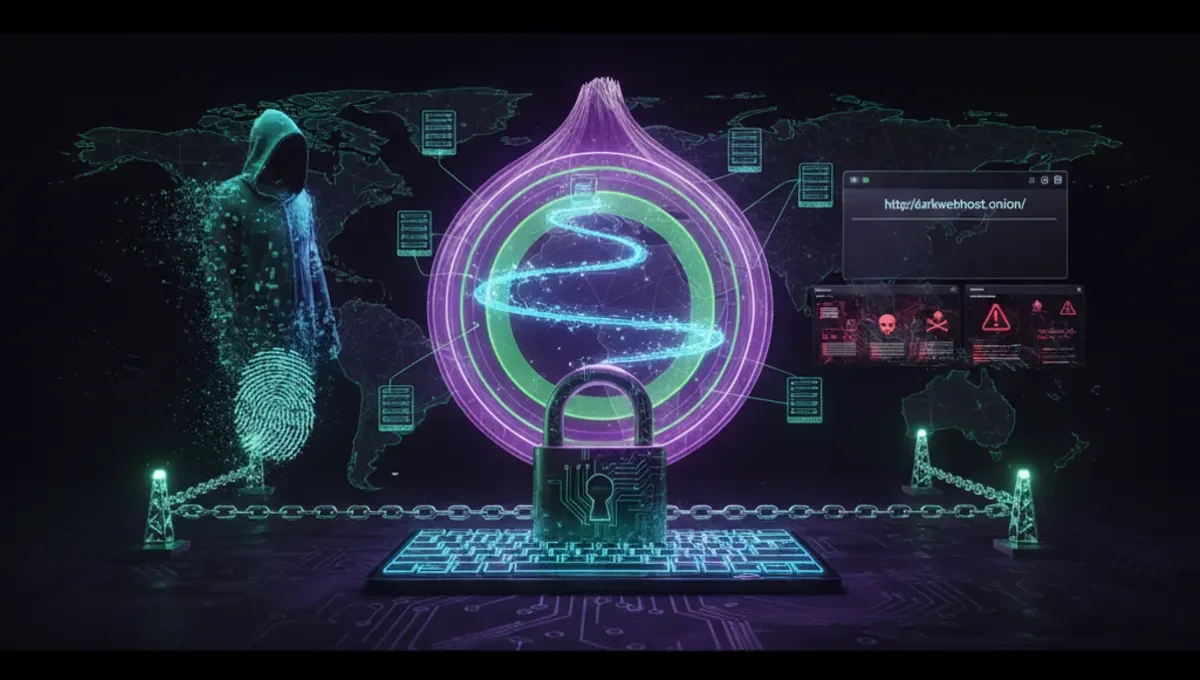
What Is Dark Web Access
The dark web is a portion of the internet that requires specific software to access and isn't indexed by standard search engines. Dark web access differs from surface web browsing because it prioritizes anonymity through encryption and routing protocols. Users access the dark web for various reasons: privacy protection, accessing information in restricted regions, or researching cybersecurity. Understanding the distinction between the dark web and the deep web is crucial. The deep web includes password-protected content like email accounts and medical records. The dark web, by contrast, is intentionally hidden and requires deliberate configuration to reach. Access to the dark web itself is legal in most countries, though activities conducted there may not be.
Tor Browser: Your Dark Web Access Tool
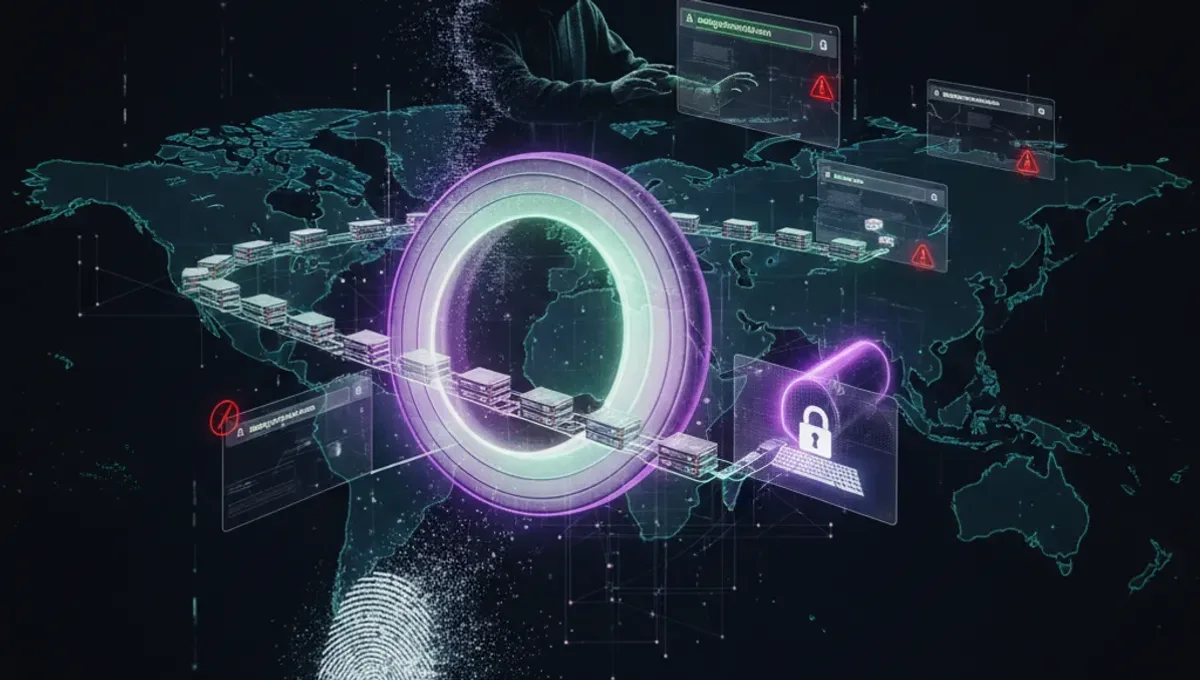
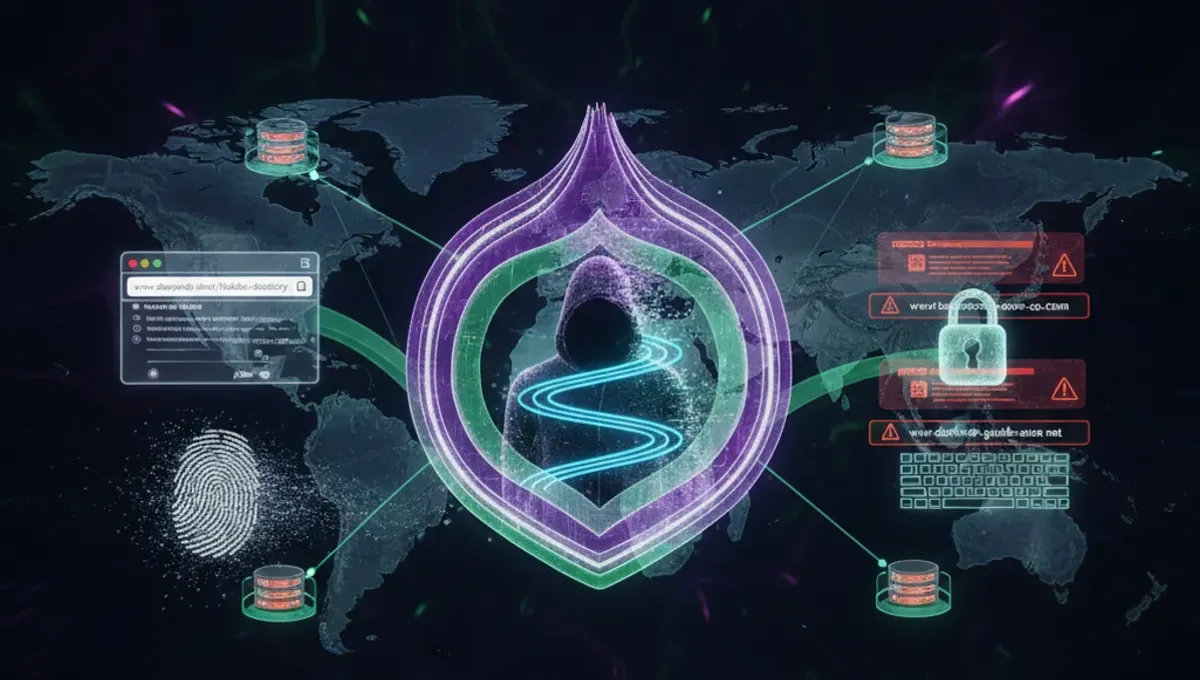
Tor Browser is the standard dark web access browser recommended by privacy advocates and security researchers. It's free, open-source, and specifically designed to facilitate anonymous browsing. The browser works by routing your traffic through a series of volunteer-operated relays, making it difficult to trace your connection back to your IP address. Download Tor Browser only from the official Tor Project website to avoid compromised versions. Installation is straightforward: extract the files and launch the application. The browser functions like Firefox but with enhanced privacy settings enabled by default. When you open Tor Browser, it automatically connects to the Tor network. Your dark web access begins once the connection is established, allowing you to visit onion sites with .onion domain extensions.
Dark Web Access Links and Navigation
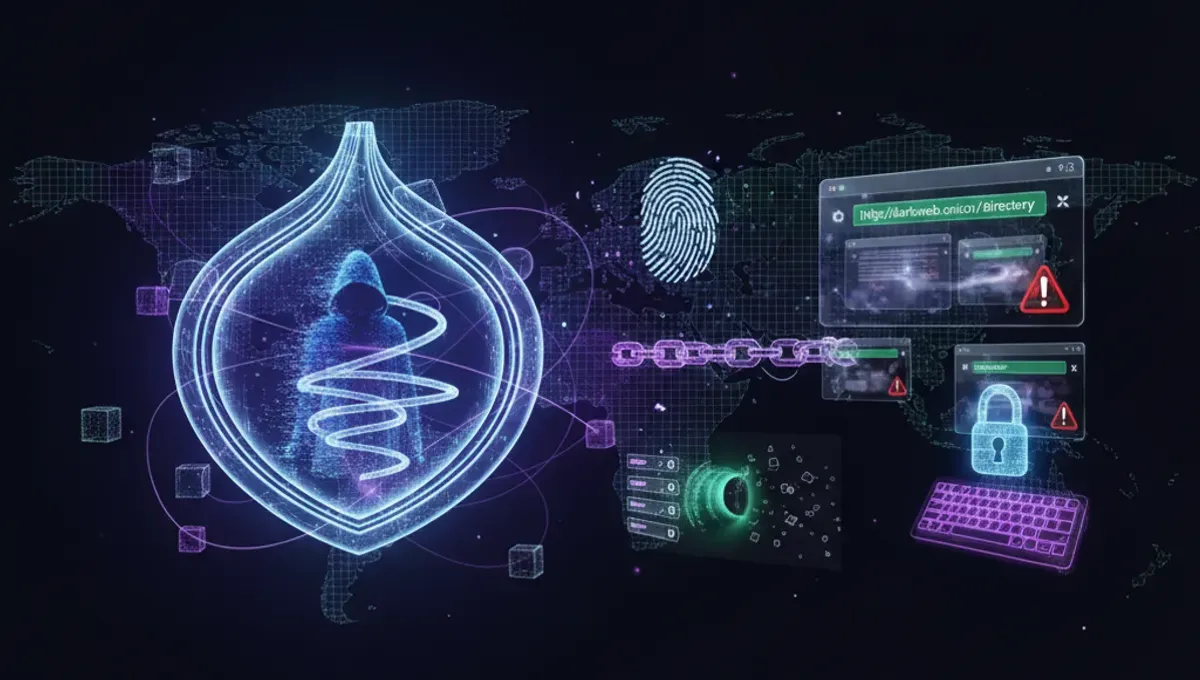
Finding legitimate dark web access sites requires understanding how onion links work. These addresses appear as random strings of characters followed by .onion, such as thehiddenwiki.onion. Dark web access links aren't indexed by Google, so discovery typically happens through directories, forums, or word-of-mouth recommendations. The Hidden Wiki serves as a starting point for many users, providing curated dark web access links to news sites, privacy tools, and information resources. Reddit communities dedicated to dark web topics often share verified links and discuss which sites remain operational. When visiting dark web access sites, verify links through multiple sources before clicking. Many onion sites change addresses periodically for security reasons. Bookmark verified links within Tor Browser rather than storing them elsewhere. Exercise caution with unfamiliar dark web access links, as some may host malicious content or law enforcement honeypots.
Security Precautions for Dark Web Access
Safe dark web access requires multiple layers of protection beyond Tor Browser alone. First, use a dedicated device or virtual machine if possible to isolate your dark web activity. Keep your operating system and all software fully updated before accessing the dark web. Disable JavaScript in Tor Browser settings, as it can potentially compromise anonymity. Never maximize your browser window, as screen resolution can be used to identify you. Avoid downloading files unless absolutely necessary, and scan them with antivirus software before opening. Don't enable plugins or extensions in Tor Browser. Use a VPN before connecting to Tor for additional privacy, though this adds complexity. Never assume you're completely anonymous; treat dark web access as inherently risky. Disable plugins like Flash and Java entirely. Cover your webcam. Consider using Tails, a security-focused operating system designed for anonymous work.
Legal Dark Web Access and Content
Not all dark web access involves illegal activity. Legitimate uses include accessing information in countries with internet censorship, protecting journalistic sources, and researching privacy technologies. Whistleblowers use dark web access to share information with news organizations securely. Activists in oppressive regimes rely on onion sites to communicate freely. Academic researchers study the dark web to understand security vulnerabilities and online behavior. News organizations maintain dark web access points for anonymous tips. Libraries and educational institutions provide information about dark web access for research purposes. However, remember that dark web access doesn't grant immunity from laws. Purchasing illegal goods, viewing illegal content, or engaging in fraud remains prosecutable regardless of anonymity tools used. Many law enforcement agencies actively monitor dark web access points and have successfully prosecuted users. Understanding local laws before accessing the dark web is essential. Legal dark web access focuses on information gathering, privacy protection, and communication rather than commerce in illegal items.
Common Mistakes in Dark Web Access
New users often compromise their anonymity through preventable errors. Reusing usernames across the dark web and surface web creates a digital trail linking your identity. Logging into existing social media accounts while using Tor defeats the purpose of anonymous dark web access. Torrenting through Tor is ineffective because BitTorrent protocols leak your real IP address regardless of Tor Browser use. Maximizing your browser window reveals screen resolution, which can fingerprint you among other Tor users. Disabling security features in Tor Browser to access certain sites increases vulnerability. Downloading files carelessly from dark web access sites risks malware infection. Assuming Tor alone provides complete anonymity without additional precautions is dangerous. Visiting the dark web while connected to your employer's network creates institutional records. Discussing specific dark web access activities in public forums or with friends reduces operational security. Treating dark web access as a game rather than a serious privacy tool leads to mistakes.
Alternatives and Complementary Tools
While Tor Browser remains the primary dark web access method, other tools complement it. I2P is an alternative anonymity network with different design philosophy and smaller user base. Freenet allows decentralized file sharing with built-in anonymity. VPNs add an additional privacy layer before connecting to Tor, though this requires careful configuration. Tails operating system provides a complete privacy-focused environment for dark web access. Whonix virtualizes Tor to isolate your system from potential compromises. These alternatives serve different purposes and threat models. Some users combine multiple tools for enhanced security. However, Tor Browser remains the most accessible and widely-used dark web access solution. Each alternative has distinct advantages and limitations. Choosing the right tool depends on your specific privacy needs and technical expertise. For most users beginning dark web access, Tor Browser alone provides sufficient anonymity for legitimate purposes.
Frequently asked questions
Is dark web access illegal?
Dark web access itself is legal in most countries. Using Tor Browser to browse onion sites is not inherently illegal. However, activities conducted on the dark web may violate laws. Purchasing illegal goods, viewing illegal content, or engaging in fraud remains prosecutable regardless of anonymity tools used. Check your local laws before accessing the dark web.
Do I need a VPN for dark web access?
A VPN is optional but adds an extra privacy layer before connecting to Tor. VPNs hide your ISP from seeing that you're using Tor, though they add complexity. Some security experts recommend VPN plus Tor, while others argue Tor alone suffices for most users. Choose based on your threat model and technical comfort level.
How long does dark web access take to set up?
Setting up Tor Browser for dark web access takes approximately 5-10 minutes. Download the browser from the official Tor Project website, extract files, and launch the application. The browser automatically connects to the Tor network. No technical expertise is required for basic dark web access setup.
Can I be tracked while using Tor for dark web access?
Tor significantly reduces tracking risk but doesn't guarantee complete anonymity. Law enforcement has successfully de-anonymized Tor users through various methods. Avoid behaviors that compromise anonymity, like reusing usernames or maximizing browser windows. Treat dark web access as risky and follow security best practices consistently.
What should I avoid on the dark web?
Avoid downloading files unless necessary, as they may contain malware. Don't enable browser plugins or extensions. Never maximize your window or change security settings. Avoid reusing usernames from the surface web. Don't assume complete anonymity or engage in illegal activities. Treat dark web access with appropriate caution and skepticism toward unfamiliar sites.