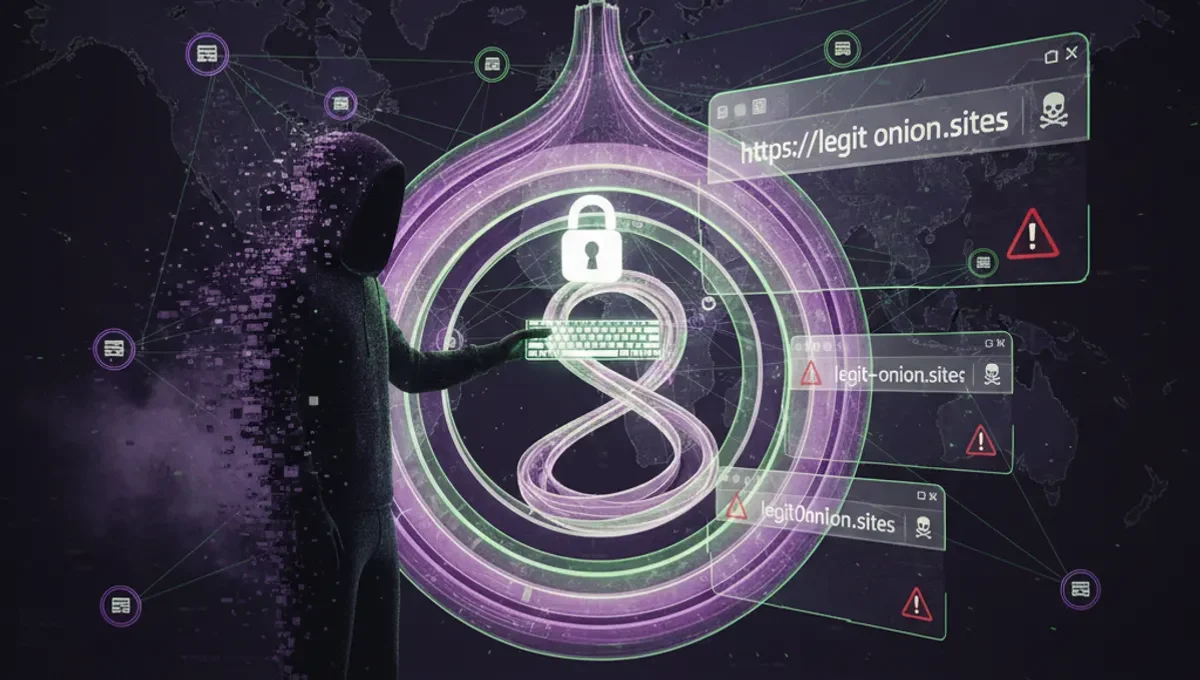
What Makes a Dark Web Name Different
Dark web site names are fundamentally different from regular internet domains. Rather than purchasing names through registrars, .onion addresses are automatically generated when someone sets up a hidden service on Tor. These addresses consist of a string of characters followed by .onion, creating a unique identifier tied to the site's encryption keys. The naming system is decentralized and doesn't require any central authority to assign or verify addresses. This means anyone can create a .onion site without registration, which provides anonymity but also makes it harder to distinguish legitimate operations from fraudulent ones. The technical nature of these addresses means they're not human-readable by default, leading to the development of alternative naming systems and directories.
V2 and V3 Onion Address Formats
Tor uses two primary formats for generating .onion addresses. V2 addresses, the older standard, consist of 16 characters followed by .onion. V3 addresses, introduced more recently, use 56 characters and provide stronger cryptographic security. The shift from V2 to V3 represents an upgrade in privacy protection, making V3 addresses more resistant to certain types of attacks. Most active dark web sites have migrated to V3 addresses, though some legacy operations still use V2. The length difference is immediately visible when comparing addresses: a V2 might look like 3g2upl4pq6kufc4m.onion, while a V3 is significantly longer. Understanding which format a site uses can provide clues about how recently it was established or updated. Newer sites almost exclusively use V3, while older established services may still operate on V2 infrastructure.
Human-Readable Dark Web Site Names
Because raw .onion addresses are difficult to remember, the dark web community developed workarounds. The Hidden Wiki and similar directories assign descriptive names to sites, creating a reference system. These names help users identify what a site offers without memorizing cryptographic strings. Some operators have also used vanity address generation to create more memorable .onion names, though this requires significant computational effort. For example, a site might be known by a descriptive name in directories but accessed through its actual .onion address. This dual-naming system creates confusion for newcomers but helps experienced users navigate. Many dark web site name lists and guides use these human-readable identifiers to catalog services, making them more accessible than raw addresses alone.
Top Dark Web Site Naming Patterns
Successful dark web sites often follow recognizable naming patterns that indicate their purpose or function. Marketplace sites frequently use names suggesting commerce or trading. Information repositories might use names referencing libraries or archives. News and discussion forums often adopt names reflecting their content focus. These naming conventions help users quickly understand a site's function before visiting. However, scammers also mimic legitimate naming patterns to deceive users. Comparing a site's name against established directories and community recommendations helps verify legitimacy. The most trusted dark web sites maintain consistent names across multiple references and have long operational histories. Newly named sites or those with generic names should be approached with caution, as they may be honeypots or fraudulent operations designed to steal information or funds.
Dark Web Sites Name Lists and Directories
Multiple directories maintain curated lists of dark web site names and their corresponding .onion addresses. These resources serve as reference guides for finding legitimate services. The Hidden Wiki is one of the oldest and most referenced collections, though its accuracy varies. Reddit communities dedicated to dark web discussion often share verified site names and addresses. These community-maintained lists provide peer review that helps identify active, legitimate sites versus defunct or malicious ones. When consulting dark web sites name lists, cross-referencing multiple sources increases confidence in accuracy. Directories that haven't been updated recently may contain outdated or defunct site names. The most reliable lists are maintained by active communities that regularly verify site functionality and legitimacy.
Verifying Dark Web Website Names
Verification is critical when dealing with dark web site names, as impersonation is common. Legitimate sites often publish their official .onion addresses on multiple platforms to prevent confusion. Some operators use PGP signatures to verify authentic addresses and communications. Checking whether a site's name appears consistently across multiple trusted directories provides verification. Community forums and Reddit discussions can confirm whether a site name is currently active and legitimate. Phishing sites often use names nearly identical to legitimate operations, so careful attention to exact spelling matters. If a site name seems new or unfamiliar, researching it in community forums before visiting reduces risk. The most established dark web sites have long histories of consistent naming and operation that can be verified through multiple independent sources.
Legal and Safety Considerations
Understanding dark web site names is important for legal navigation of the network. Many .onion sites host perfectly legal content including privacy-focused communication tools, uncensored information, and whistleblowing platforms. However, some sites facilitate illegal activities. Knowing a site's name and purpose helps you make informed decisions about whether to visit. Law enforcement agencies monitor dark web site names and operations, particularly those engaged in illegal commerce. Simply knowing a site name or visiting it doesn't constitute illegal activity in most jurisdictions, but engaging in illegal transactions does. Using Tor and accessing .onion sites is legal in most countries, though some governments restrict it. Being aware of your local laws regarding dark web access and activity is essential before exploring these networks.
Frequently asked questions
Why are dark web site names so long and random?
Dark web names are cryptographically generated rather than chosen by users. V3 .onion addresses use 56 characters derived from the site's encryption keys, ensuring each address is unique and tied to the site's security infrastructure. This prevents impersonation and maintains anonymity, but makes addresses difficult to remember.
Can you choose a dark web site name?
You cannot directly choose a .onion address; it's automatically generated when you set up a hidden service. However, you can use vanity address generation to create more memorable names, though this requires significant computational resources. Alternatively, sites are known by human-readable names in directories and communities.
How do I find dark web site names safely?
Use established directories like the Hidden Wiki and cross-reference multiple community sources such as Reddit forums dedicated to dark web discussion. Verify that site names appear consistently across trusted sources before visiting. Avoid clicking links from untrusted sources, as they may lead to phishing sites using similar names.
What's the difference between V2 and V3 dark web names?
V2 addresses are 16 characters long and represent the older standard, while V3 addresses use 56 characters and provide stronger cryptographic security. Most active sites have migrated to V3. The format difference is immediately visible, with V3 addresses being significantly longer than their V2 counterparts.
Are all dark web site names illegal?
No. Many .onion sites host legal content including privacy tools, uncensored information, and whistleblowing platforms. A site's name alone doesn't indicate legality; it's the site's actual content and purpose that determines whether it's legal or illegal in your jurisdiction.