Understanding Deep Dark Web vs Deep Web
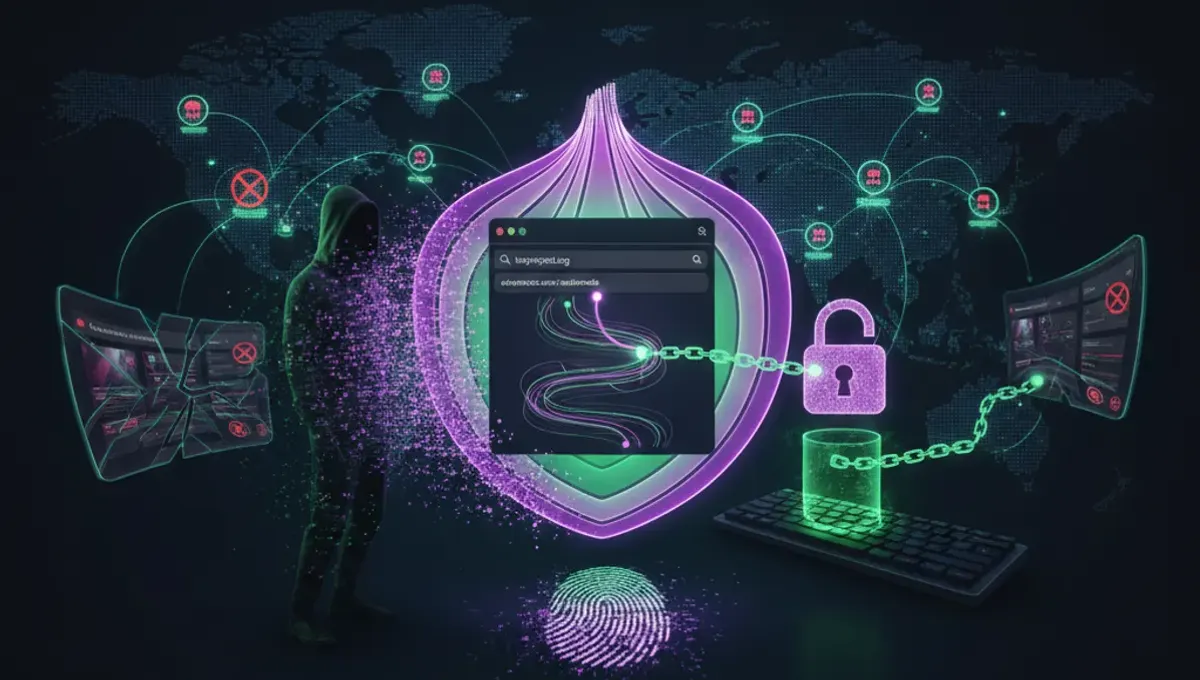
The deep web and dark web are often confused but serve different purposes. The deep web includes any internet content not indexed by standard search engines, such as email accounts, medical records, and academic databases. The deep dark web refers specifically to intentionally hidden networks requiring specialized software to access. The dark web operates on overlay networks like Tor, I2P, and Freenet, where users can browse with enhanced anonymity. Understanding this distinction helps you grasp why certain access methods exist and what security measures apply to each layer.
Tor Browser: The Primary Access Tool
Tor Browser remains the most widely used method for deep dark web access. It routes your connection through multiple relays, obscuring your IP address and location. Download Tor Browser only from the official Tor Project website to avoid compromised versions. The browser automatically configures security settings and prevents tracking. Once installed, launch it and wait for connection establishment before browsing. Tor Browser works on Windows, macOS, Linux, and Android devices. The connection may feel slower than regular browsing due to the multi-hop routing process, but this latency is a necessary trade-off for anonymity.
Deep Dark Web Search Methods
Traditional search engines don't index dark web content, requiring alternative deep dark web search approaches. Specialized search engines like those accessible through Tor directories catalog onion sites by category. These search tools operate differently from surface web engines, often returning fewer results but more relevant hidden services. Some directories maintain manually curated lists of active sites. When conducting deep dark web search, use specific keywords rather than broad queries. Be cautious of search results linking to illegal content or scams. Legitimate searches focus on privacy-focused communication tools, news archives, and educational resources available in these networks.
VPN and Tor Combination Strategy
Using a VPN before connecting to Tor adds an additional privacy layer, though this approach has trade-offs. A VPN masks your IP from your internet service provider, while Tor masks it from the destination server. This combination prevents your ISP from knowing you're using Tor, which some users find valuable in restrictive environments. However, using both simultaneously can reduce connection speed further. Choose a VPN provider with strong privacy policies and no logging. Connect to the VPN first, then launch Tor Browser. Never use both simultaneously if your VPN provider logs connection data, as this defeats the privacy purpose.
Essential Security Precautions
Before accessing deep dark web sites, establish security fundamentals. Keep your operating system and all software updated to patch vulnerabilities. Disable JavaScript in Tor Browser settings to prevent certain exploits. Use a dedicated device or virtual machine if possible to isolate your browsing. Never maximize your browser window, as this reveals screen resolution data that could identify you. Assume every site could contain malware or tracking code. Don't download files unless absolutely necessary, and scan them with antivirus software. Disable plugins and extensions that could leak your identity. Cover your webcam and disable microphone access for applications.
Legal Deep Dark Web Access Uses
Legitimate reasons for deep dark web access include accessing uncensored news in restrictive countries, communicating securely with journalists, and researching privacy technologies. Activists, researchers, and whistleblowers use these networks for protected communication. Academic institutions study dark web infrastructure and security implications. Privacy advocates test anonymity tools and contribute to network development. Journalists access leaked documents and communicate with sources confidentially. These lawful uses demonstrate that deep dark web access serves important purposes beyond illegal activities. Understanding legal applications helps contextualize why these networks exist and why privacy tools remain important infrastructure.
Avoiding Scams and Malicious Content
The deep dark web hosts numerous scams targeting users seeking illegal goods or services. Phishing sites mimic legitimate services to steal credentials and cryptocurrency. Malware-laden downloads promise tools or content but deliver trojans instead. Exit scams occur when marketplaces disappear with user funds. Verify site authenticity through multiple sources before trusting them. Never enable plugins or allow sites to run scripts. Be skeptical of offers that seem too good to be true. Avoid downloading executable files unless from trusted sources. Use cryptocurrency wallets with minimal balance to limit losses from compromised transactions. Community forums and Reddit discussions often warn about current scams and compromised sites.
Frequently asked questions
Is accessing the deep dark web illegal?
Accessing the deep dark web itself is legal in most countries. Using it for lawful purposes like secure communication, research, or accessing censored information is protected. However, illegal activities conducted through these networks remain illegal. The legality depends on your jurisdiction and what you do while connected, not on the access itself.
How long does it take to access the deep dark web?
After downloading and installing Tor Browser, initial connection typically takes 30 seconds to 2 minutes. Subsequent connections are usually faster. The first connection involves establishing multiple relay connections through the Tor network. Connection speed varies based on network congestion, your internet speed, and relay availability.
Can I be traced while using Tor for deep dark web access?
Tor provides strong anonymity, but no system is completely unbreakable. Law enforcement has successfully traced users through operational security mistakes, malware infections, or advanced techniques. Maintaining proper security practices significantly reduces tracing risks. Using Tor correctly protects against most surveillance, but assume determined adversaries with resources might find ways.
What's the difference between Tor and VPN for deep dark web access?
Tor routes traffic through multiple volunteer-operated relays, providing stronger anonymity but slower speeds. VPNs encrypt traffic through a single provider's server, offering faster speeds but less anonymity. Tor is specifically designed for anonymity, while VPNs prioritize privacy and encryption. For deep dark web access, Tor is the standard choice.
Are there mobile options for deep dark web access?
Tor Browser is available for Android devices, providing mobile deep dark web access. iOS options are limited due to Apple's restrictions. Mobile access carries additional risks from malware and physical device compromise. Use the same security precautions on mobile as desktop, including keeping software updated and avoiding downloads.