Understanding the Dark Web vs. Surface Web
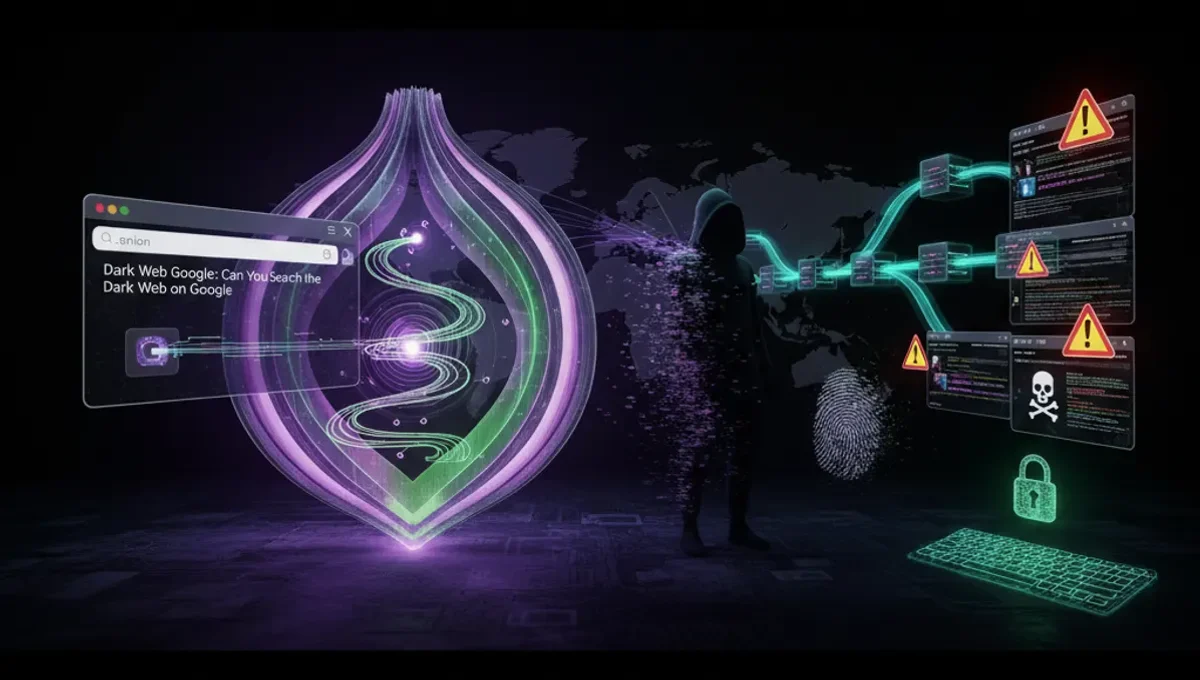
The surface web comprises all indexed pages Google can crawl and display in search results. The dark web exists beneath this layer, accessible only through anonymizing networks like Tor. While Google indexes billions of pages, it cannot access dark web content due to encryption and intentional blocking. The dark web isn't inherently illegal, though it does host both legitimate privacy-focused communities and illicit marketplaces. Understanding this distinction is crucial before exploring further. Most users access the dark web through the Tor Browser, which routes traffic through multiple encrypted relays to mask your IP address and location.
How the Dark Web Functions
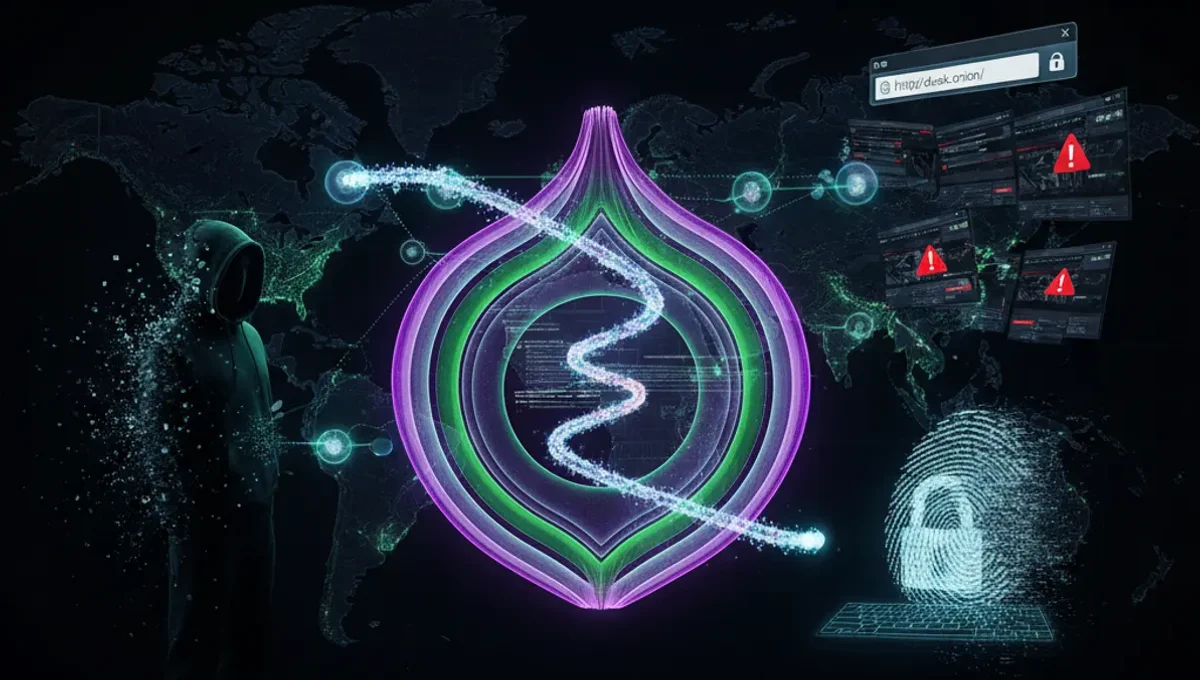
The dark web operates on overlay networks built on top of the standard internet infrastructure. Tor, the most common protocol, uses a series of volunteer-operated nodes to encrypt and re-encrypt data multiple times. This layering makes it nearly impossible to trace communications back to their origin. When you search the dark web, you're querying sites with .onion domain extensions rather than traditional .com or .org addresses. These sites are hosted on servers whose locations are concealed. The decentralized nature means there's no central authority controlling content, which enables both privacy advocates and bad actors to operate relatively freely.
Legal Uses of the Dark Web
Journalists, activists, and whistleblowers use the dark web to communicate securely and share sensitive information without government surveillance. Political dissidents in restrictive countries rely on dark web forums to organize and discuss freedoms. Privacy advocates use it to research encryption and digital security. Researchers study dark web communities to understand cybercrime trends and social dynamics. Libraries and educational institutions maintain dark web mirrors to ensure information access in censored regions. These legitimate applications demonstrate that the dark web serves important functions beyond its notorious reputation. Many organizations, including news outlets, maintain dark web presence specifically to protect vulnerable sources.
Risks and Safety Considerations
Accessing the dark web carries real risks including malware exposure, scams, and law enforcement attention. Many sites contain illegal content, and clicking links can compromise your security. Malicious actors distribute infected files disguised as legitimate software. Phishing attempts are common, with fake marketplaces designed to steal cryptocurrency or personal information. Law enforcement agencies actively monitor dark web activity, and accessing certain content may violate local laws regardless of your location. To minimize risk, use a dedicated virtual machine, keep your Tor Browser updated, disable JavaScript, and never maximize your browser window. Assume all transactions are potentially fraudulent and never download files unless absolutely necessary.
Finding Verified Dark Web Resources
Locating trustworthy dark web sites requires caution since there's no dark web equivalent to Google's ranking system. The Hidden Wiki serves as a directory of verified .onion sites, though it requires manual verification of links. Reddit communities dedicated to dark web exploration share recommendations, though quality varies significantly. Many sites disappear or change addresses frequently due to law enforcement takedowns or operator abandonment. Established forums maintain lists of active marketplaces and services, but these lists often contain honeypots or scams. Before visiting any site, research it across multiple sources. Look for sites with consistent uptime, active moderation, and user reviews. Never trust a site simply because it appears in a directory.
The Difference Between Dark Web and Deep Web
These terms are often conflated but describe different concepts. The deep web includes all non-indexed internet content, including password-protected email accounts, medical records, academic databases, and subscription services. This comprises the vast majority of the internet and is entirely legal to access. The dark web is a small subset of the deep web that has been intentionally hidden and requires specific software like Tor to access. Your Gmail inbox is deep web content but not dark web content. Most deep web material is mundane and legitimate. Understanding this distinction prevents confusion when researching internet privacy and security topics.
Getting Started Safely
Begin by downloading Tor Browser from the official website only, never from third-party sources. Install it on a dedicated device or virtual machine if possible. Before accessing any dark web content, disable plugins, use a VPN before connecting to Tor, and consider using Tails OS for maximum security. Start with established directories and educational resources rather than jumping directly into marketplaces. Join reputable forums to learn community norms and best practices. Never enable full-screen mode or maximize your browser window, as this can reveal your screen resolution to websites. Keep detailed notes on which sites you visit and what you find. Most importantly, understand that curiosity alone doesn't justify accessing illegal content.
Frequently asked questions
Can Google search the dark web?
No. Google cannot index dark web content because .onion sites are intentionally hidden and encrypted. Google's crawlers cannot access Tor-protected networks. You must use the Tor Browser or similar software to access dark web sites directly. Standard search engines are designed for the surface web only.
Is accessing the dark web illegal?
Accessing the dark web itself is legal in most countries. However, accessing specific illegal content or engaging in illegal activities on the dark web is prosecutable. Many legitimate uses exist, including privacy protection and research. The legality depends on what you access and your jurisdiction's laws.
What's the safest way to explore the dark web?
Use a dedicated virtual machine, download Tor Browser from the official source only, disable JavaScript, use a VPN before Tor, and never maximize your browser window. Avoid downloading files unless necessary. Start with educational resources and established directories. Never assume any site is trustworthy without verification from multiple sources.
How do dark web sites get addresses if Google doesn't index them?
Dark web sites use .onion addresses generated through Tor's hidden service protocol. These addresses are shared manually through directories, forums, and word-of-mouth rather than search engines. Sites remain hidden until someone shares their address with you directly.
What's the difference between Tor and a VPN?
A VPN encrypts your traffic and routes it through a single server, hiding your IP from websites. Tor routes traffic through multiple encrypted relays, providing stronger anonymity but slower speeds. Tor is designed for accessing hidden services; VPNs are for general privacy. Many users combine both for maximum security.